There are many ways to engage with the community and foster inclusivity, but in a region as sensitive as BARMM, these efforts must be rooted in respect.
We, Bangsamoro people, have carried our culture for centuries through displacement, colonization. Our culture, however, did not survive because the people refused to change and grow. It survived because we learned how to bend without breaking.
I am still amazed at how our ancestors, and leaders, have managed to keep the essence of our identity from Spanish rule up to today’s Western influence. And how survived as a nation of thirteen ethnolinguistic groups, speaking different languages, wearing different clothing, shaped by slightly different norms.
Even before BARMM, our ancestors managed this complexity. When our sultans and Datus wrote their letters and manifestos before, they referred to their Christian neighbors, as “friends”and “brothers” and vowed to protect them during conflict, especially against the Ilaga. They valued the collective because they knew they were not the only ones walking this earth.
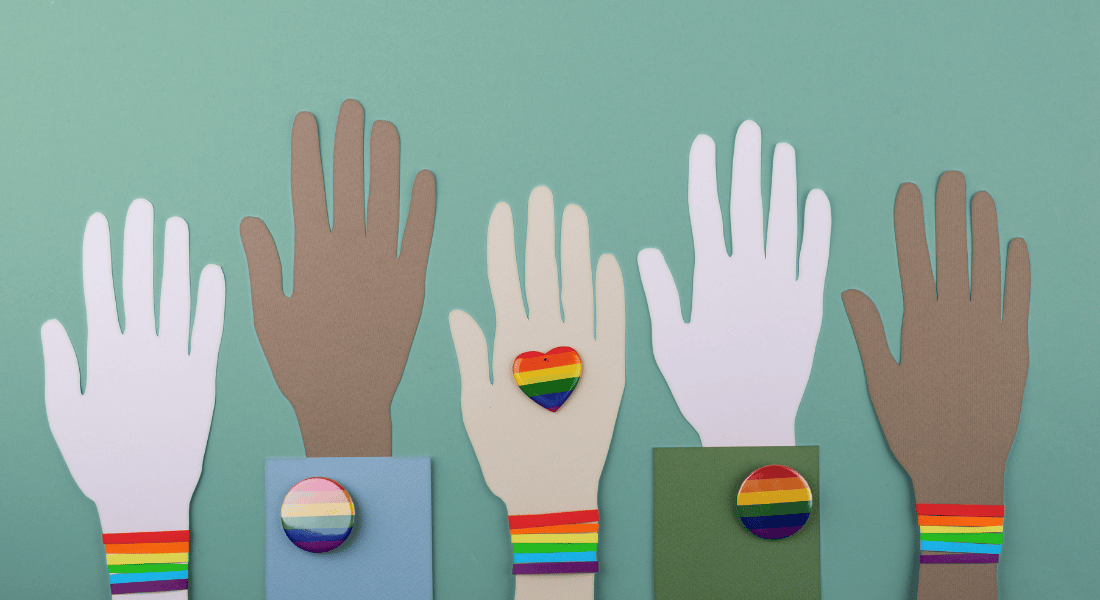
Recently, the LGBTQ+ community announced “Hiyas ng Tamontaka,” and it received intense backlash. The organizers were confused. They secured approvals from the barangay local government unit and yet the Moros still criticized them ruthlessly when they did not violate any law.
But not everything that is legal is considered moral in many places. Here, the line between what is legal and what is moral is so thick that even NGOs and government agencies consult elders, tribal leaders, and religious scholars first before introducing anything new.
Because they knew that their faith is what kept the Bangsamoros together as a nation. BARMM is under the Philippine democratic Constitution, but Bangsamoros, for centuries, have placed faith above human freedom.
The people behind Hiyas ng Tamontaka’s intentions were good. They simply aimed to entertain, engage, and promote inclusivity. They only wanted to show they exist and to feel that they belong. We understand how complex self-expression is.
It’s just that, sometimes, respecting a culture can be shown through restraint rather than expression.
The Bangsamoro government does not suppress the LGBTQ+ community. In government offices and agencies, they receive equal employment opportunities. They have the freedom to lead and serve according to their skills and qualifications.
There are many productive ways to engage with the community and express art, ways where one’s freedom does not encroach on sacred places of history and faith. The LGBTQ members could have done volunteer work, join relief operations, support fundraising activities, or advance their advocacies.
We do not dictate how others should live their lives. But in a region as sensitive as BARMM, everything has its proper place.