There is so much to learn and so much to love about being a Bangsamoro. The problem is, the Bangsamoro history lies on the other side of the history we were taught in school.
From elementary to high school, we were fed with too much of Luzon and a little bit of Visayas while Mindanao was only taught as the second largest among the main islands of the Philippines, home to several ethnolinguistic groups.
When we heard about Mindanao in college, we were lectured about Moros’ rebellion, poverty, and other disempowering narratives they trot out about Mindanao.
For a very long time, we, Moros, lived with a gaping distance between the perspective reinforced in school and the very things that contribute to who we are.
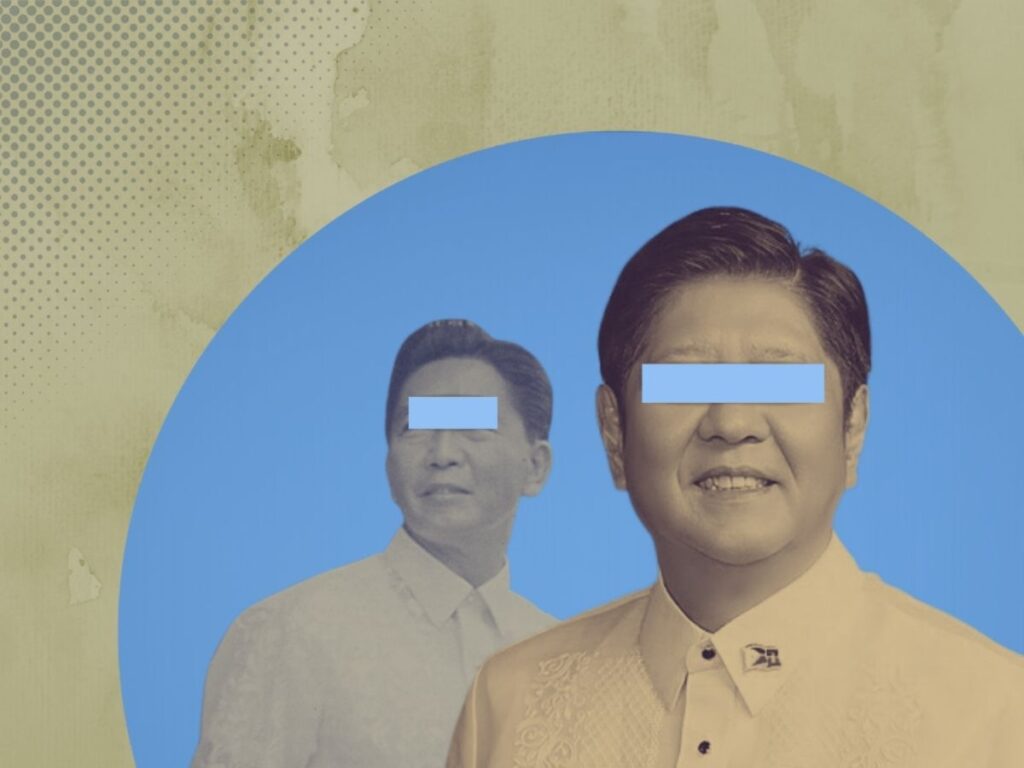
During the campaign of BBM, we witnessed the danger of knowing so little about our history.
In 2022, political experts noticed that BBM weaponized social media to rewrite history. According to data, 24.7 million who voted for him came from people aged 18-41, a generation that hadn’t lived through Martial Law.
I saw posts and reels glorifying how beautiful the Philippines was during his father’s term, but also I had heard firsthand from my uncles and grandparents their experience during Martial Law.
I recall how they talked about a neighbor who was raped by soldiers, and he was male. I remembered the mix of smirk and pity on their faces when they mentioned a certain ustaadh (male religious leader) who was forced to eat pork, a food prohibited to the Muslims. This was only a few from other disturbing experiences of the Moros.
Yet, during his campaign period, I was surprised when Bangsamoros welcomed him warmly in Lanao del Sur, Sultan Kudarat, and Maguindanao.
However, these were the same lands where his father, the one whose legacy he pledged to continue, concentrated eighty percent of his military strength during martial law (as studies revealed). The same land where our women were raped, and innocent people abused and killed. I couldn’t fathom how easily we forgot a bloodshed that happened just recently.
I acknowledge we shouldn’t hold him accountable for his father’s sins. After all, three into his presidency, and he hasn’t posed any threat to the peace process, or at least not yet.
However, our lack of scrutiny only shows the urgency of integrating the Bangsamoro history in curriculum in BARMM schools. Now that we have our own government, it’s even more important to teach our children our own heroes and the very events that required their heroism to emerge.