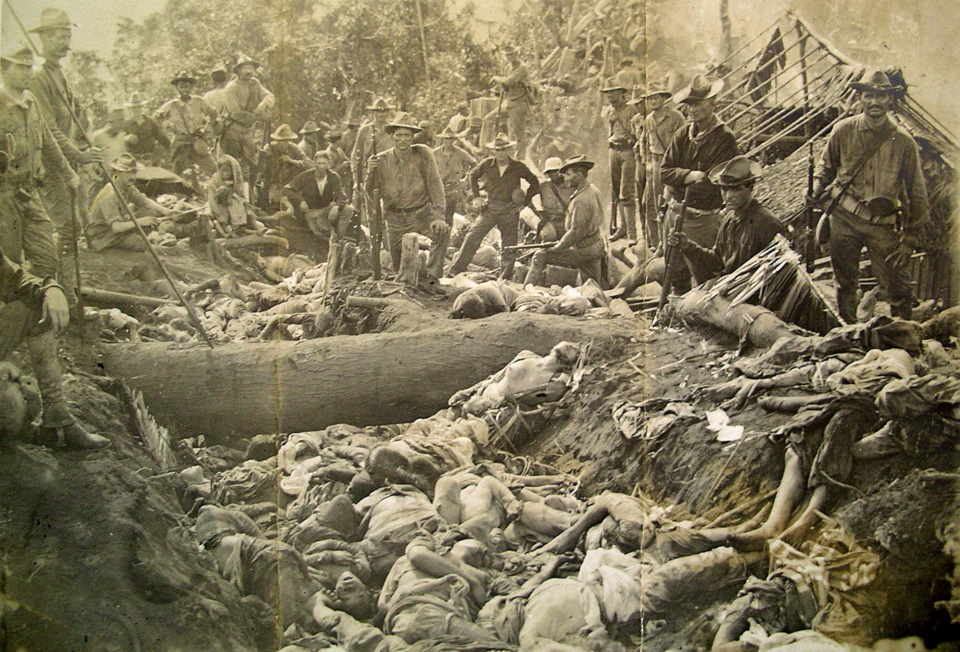
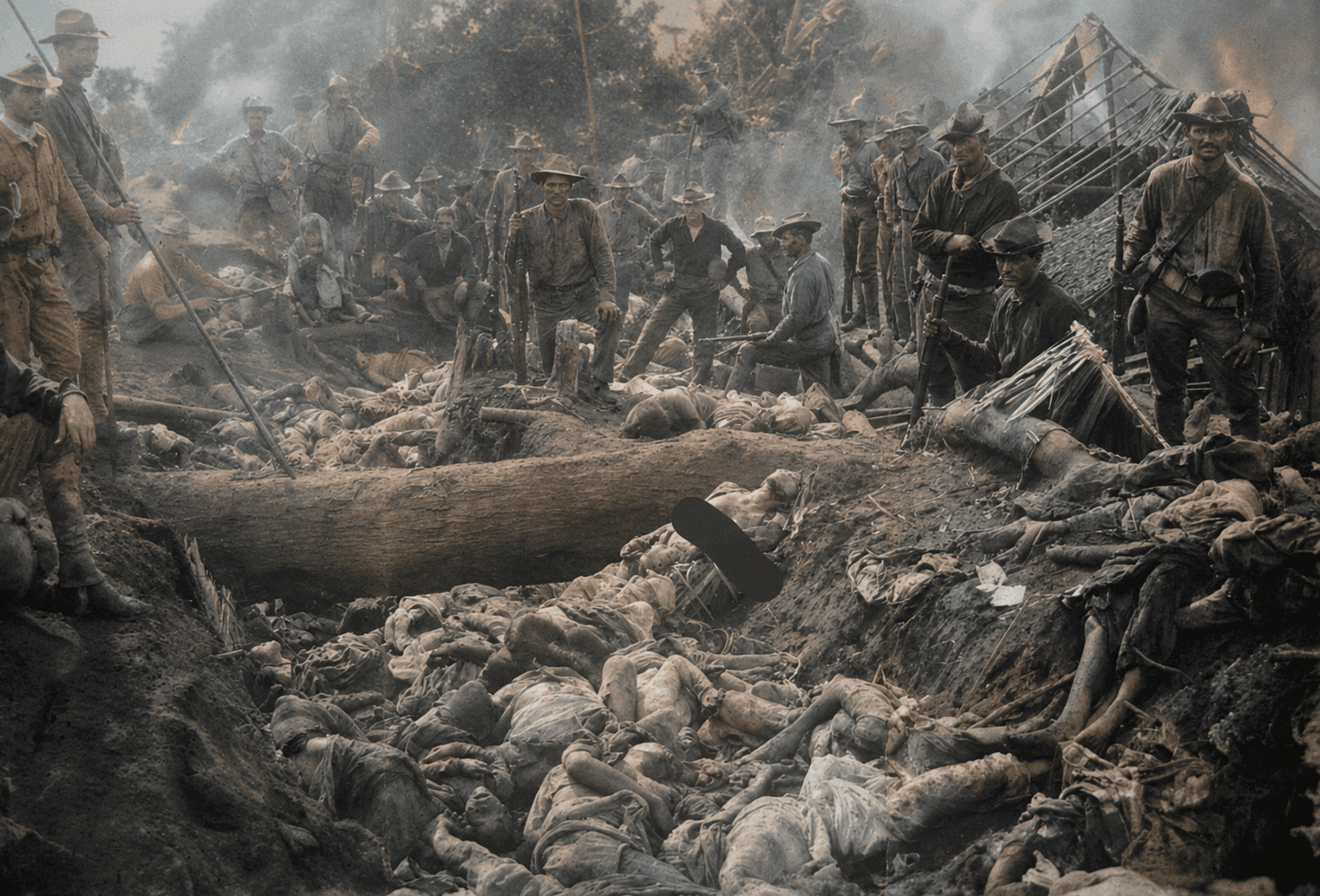
The Battle of Bud Dajo in 1906 is better described as a “massacre” than a “war.”
Because although the Moros resisted with barong and aging rifles, the scale of civilian deaths, including women and children, and the firepower used by the Americans were overwhelmingly superior.
However, some history books and articles presented it as a “war” in history textbooks, placing it within the broader Moro Rebellion.
This minimizes the oppression and atrocities committed and creates the impression that both sides were equally responsible.
Related: Today I Learned: The Bangsamoro Side of History, From Sultanate to BARMM
Here’s what exactly happened.
During the early years of American colonial rule, Moro Province was under military rule. Meaning, its governors were military officers and not civilians.
Moro Province was then led by Governor Leonard Wood from 1903 to 1906, who was also a military commander at that time.
However, Leonard Wood had a controversial reputation among his fellow soldiers.
He served as the administrator in Cuba when he had only seen a hundred days in the field. He had been promoted faster and higher than senior officers in service.
As governor of Moro Province, Wood had already viewed the Moros as inferior, as seen in his letter to Governor Taft in 1903.
He described them as Muhammedan (i.e., Muslim).
“[Therefore, they are] nothing more than nor less than an unimportant collection of pirates and highwaymen.”
In history textbooks, it is taught that he pushed for a reform.
He wanted the Moros to give up their arms, send their children to school, register their lands, abolish slavery, and pay the cedula. However, the Moros resisted because they saw policies differently.
For them, sending their kids to school meant allowing them to be brainwashed or indoctrinated.
Giving up their arms and abolishing slavery were seen as strategies to weaken the leadership of the Sultanate.
But what drove the Moros more to Bud Dajo was their refusal to pay the imposed poll tax, or cedula.
Why Cedula Was Such a Big Deal to the Moros
Like in any other organized nation, the Moros occasionally offered tribute to their sultan.
A tribute could be in the form of money, a physical, gift, or a service. This meant submitting to their ruler and affirming allegiance or loyalty.
So when Wood forced the Moros to pay the cedula, they perceived it as submission to foreign rule, similar to tribute.
On the one hand, the Sulu Sultan at the time was already in internal conflict. The Americans had already slowly made progress in their colonization during their years of staying there. Seeing their superior firepower, the Sultan ordered his datus to obey.
On the other hand, seven datus refused: Datu Adam of Maimbung, Datu Agil, Datu Sanuddin, Datu Harib, Datu Imlam, Datu Acku, and Datu Hassan of Luuk.
Their followers then went to Bud Dajo, or Mount Dajo, an extinct volcano six miles away called Bud Dajo, or Mount Dajo.
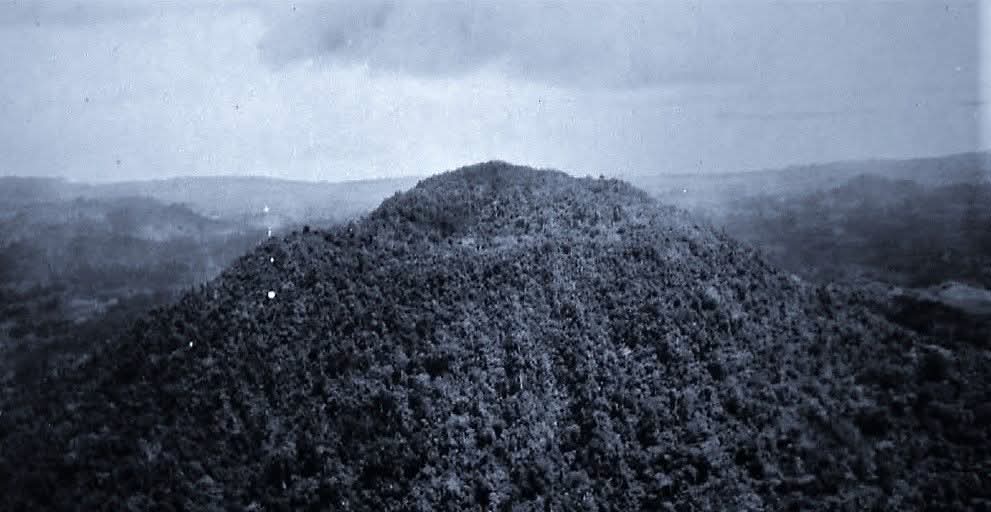
Bud Dajo was a volcanic crater xovered by tropical jungle and was 2,100 feet above sea level.
The Moros Moved to Bud Dajo Because They Refused to Be Under Foreign Rule
It was steep and conical, with thick forested slopes. However, there were paths that only the Moros knew.
Over the months, the number of Moros going up the mountain kept increasing, and they formed a community there, planting and cultivating rice and potatoes.
“They are harmless villagers who have no intention of fighting,” as described by Major Hugh Scott.
On March 2, 1906, however, U.S. troops sent a datu who had become their ally to the mountain, telling them to disband or at least send their women and children to the valley. The Moros refused.
So on March 5, 1906, they fired 40 rounds of shrapnel into the crater as a warning.
On the following day, General Wood arrived with cavalry, infantry, artillery, constabulary units, sailors, and naval support offshore. They first destroyed the Moro barricade in a bayonet charge.
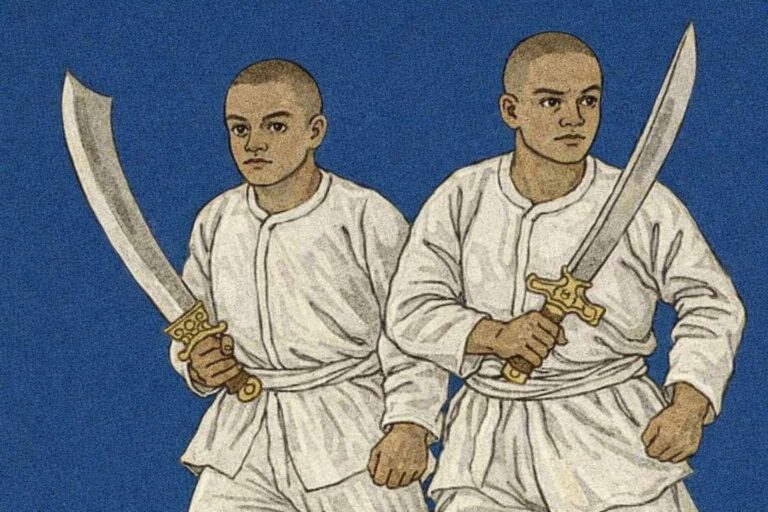
After hours of fighting, the Moros returned to the crater. The Moros only had krises, spears, aging rifles, and improvised grenades made from black powder and seashells.
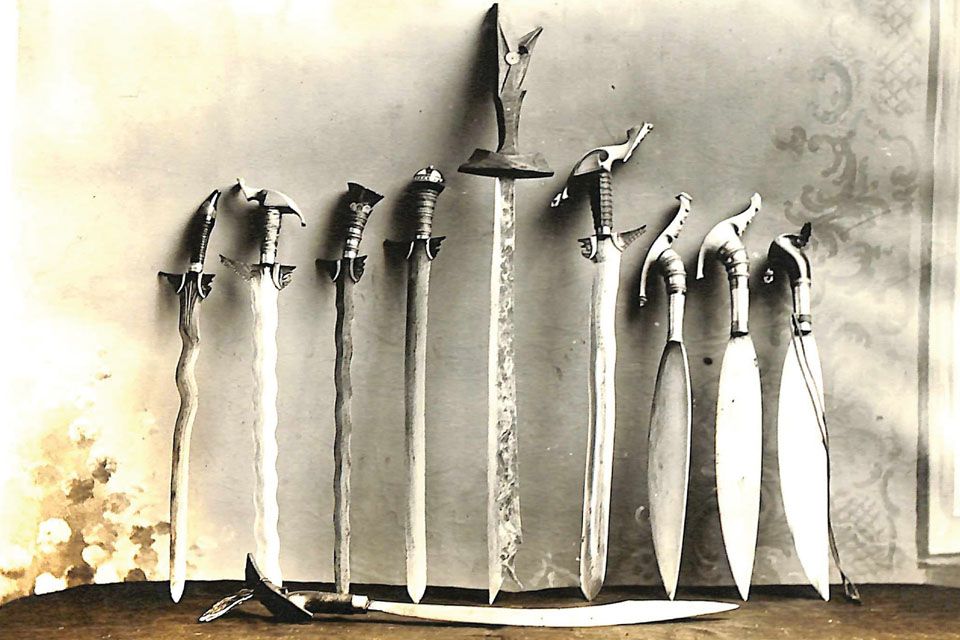
When night came, the Americans again aimed their guns at the crater and placed “machine guns in a position where they could sweep the crest of the mountain between us and the cotta.”
In just two days, among the approximately 1,000 Moros, only six survived.
Americans denied this at first.
But words spread and the American public have heard of it already.
Still, the American troops minimized what they did by depicting the Moros as “uncivilized” and “blood-thirsty.”
The Governor-General of the Philippines also called the women and children collateral damage.
The American public already knew about it, and historians and authors captured it in their writings.
Mark Twain, the father of the American literature who wrote “The Adventures of Tom Sawyer” and “The Adventures of Huckleberry Finn” condemned what Wood did and called him “a bloody demon difficult to parallel in history.”
He also described the U.S. soldiers “uniformed assassins.”
Still, the U.S. government seemed not to regret their action.
U.S. President Theodore Roosevelt praised Wood and promoted him as commander of the Philippine Division.
Wood, Manila: I congratulate you and the officers and men of your command upon the brilliant feat of arms wherein you and they so well upheld the honor of the American flag.